
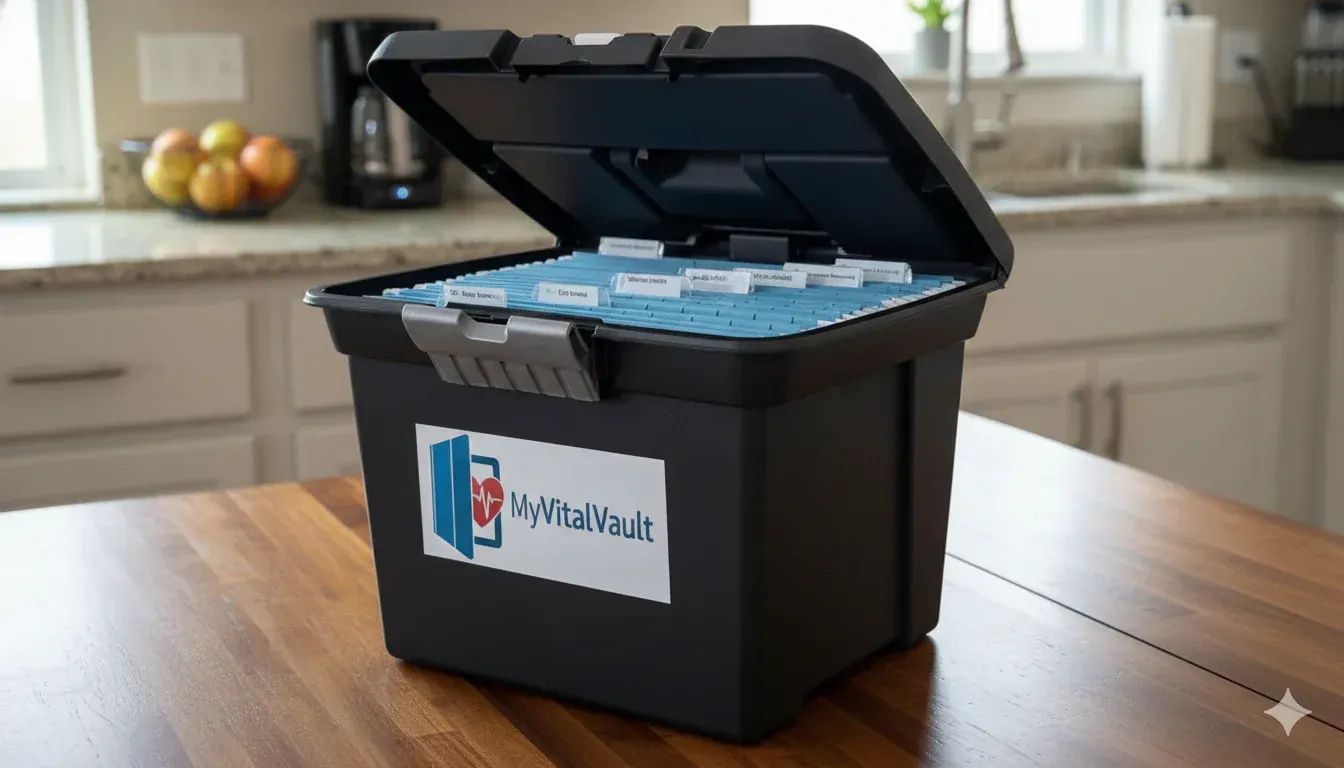
My Vital Vault
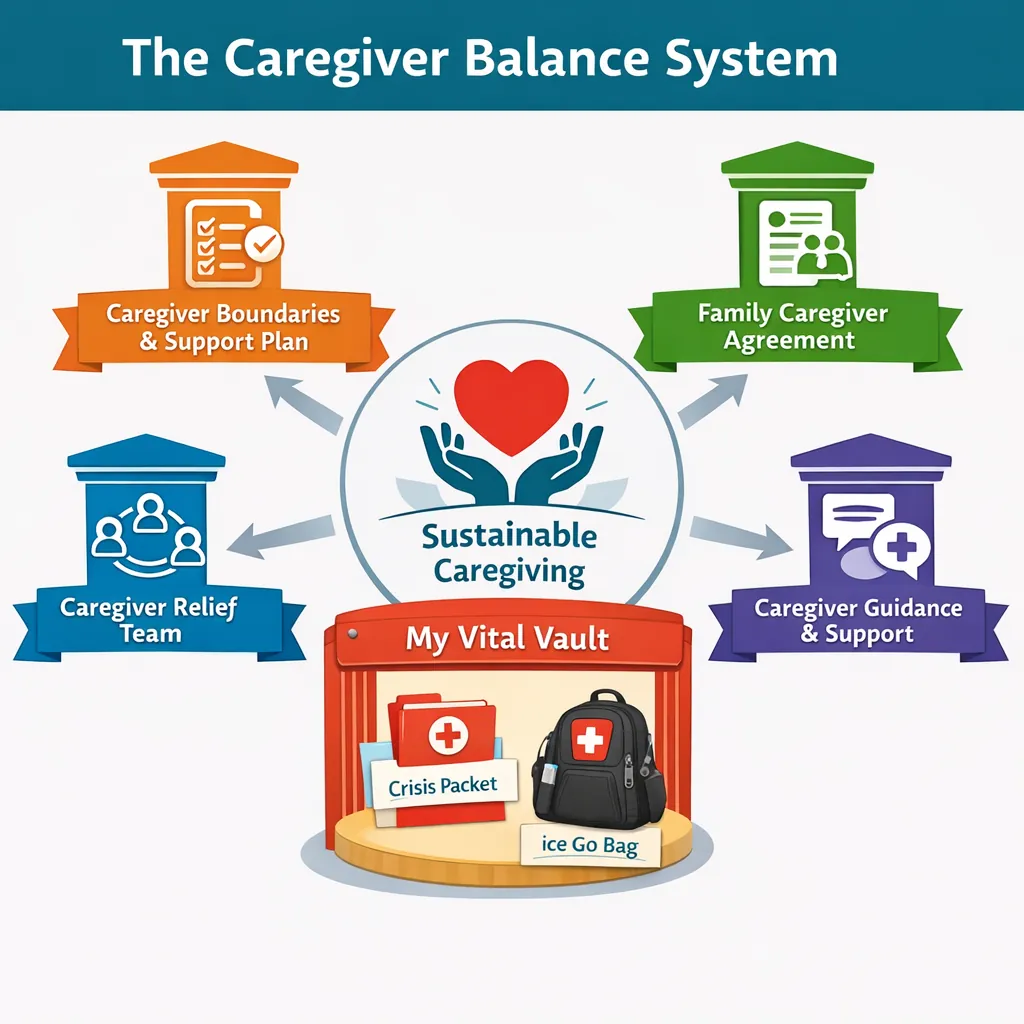
One of four pillars of the Caregiver Balance Guide
The Balance Guide framework organizes caregiving into four pillars: boundaries, a relief team, trusted guidance, and emergency readiness. This page covers My Vital Vault: organize medical, legal, and emergency information so you can respond calmly in a crisis.
Get the $12 Action KitCaregiver Emergency Organization System
Organize essential medical, legal, financial, and emergency information before a crisis occurs.
This caregiver preparedness system helps families respond quickly during hospitalizations, emergencies, or sudden health changes.
Emergency Peace of Mind for Family Caregivers
Caregiving often operates in routine — until a crisis happens.
A fall.
A hospitalization.
A sudden change in cognition.
An emergency room visit at 2 a.m.
In those moments, caregivers are expected to answer questions immediately:
- What medications are they on?
- Who is the primary physician?
- Is there a power of attorney?
- What insurance is active?
Without organization, stress multiplies.
My Vital Vault exists to prevent that confusion.
Emergency preparation works best when caregivers also have:
- Clear boundaries
- A reliable support system
👉 Learn how to create a Caregiver Boundaries & Support Plan
👉 Explore how to build a Caregiver Relief Team
Because caregiving should not cost you your health — especially during emergencies.
🚨 Be Prepared Before a Crisis Happens
✔ Know exactly what information you need
✔ Walk into the ER confident and ready
✔ Protect your loved one—without scrambling
👉 Download Your Free Caregiver Emergency Checklist
Who My Vital Vault Is For
My Vital Vault was created for:
- Individuals living with chronic illness or disabilities
- Aging seniors who want to stay in control
- Family caregivers managing someone else’s care
- Anyone who wants to be prepared for medical emergencies, natural disasters, or end-of-life decisions
This system supports both independence and protection — at every stage of life.
What Is The My Vital Vault System?
My Vital Vault is not just a binder or folder.
It is a structured caregiver emergency plan that includes:
- Organized physical records
- Secure digital backup
So critical information can be accessed quickly when it matters most.
It is not storage. It is protection.
What My Vital Vault Helps You Do
- Organize critical documents in one secure place
- Prepare for emergencies and hospital visits
- Clarify your medical wishes and end-of-life decisions
- Reduce stress for your loved ones
- Preserve your personal history and legacy
This is not just organization.
It is peace of mind—for you and your family.
The Core Emergency System
My Vital Vault is built on three essential components:
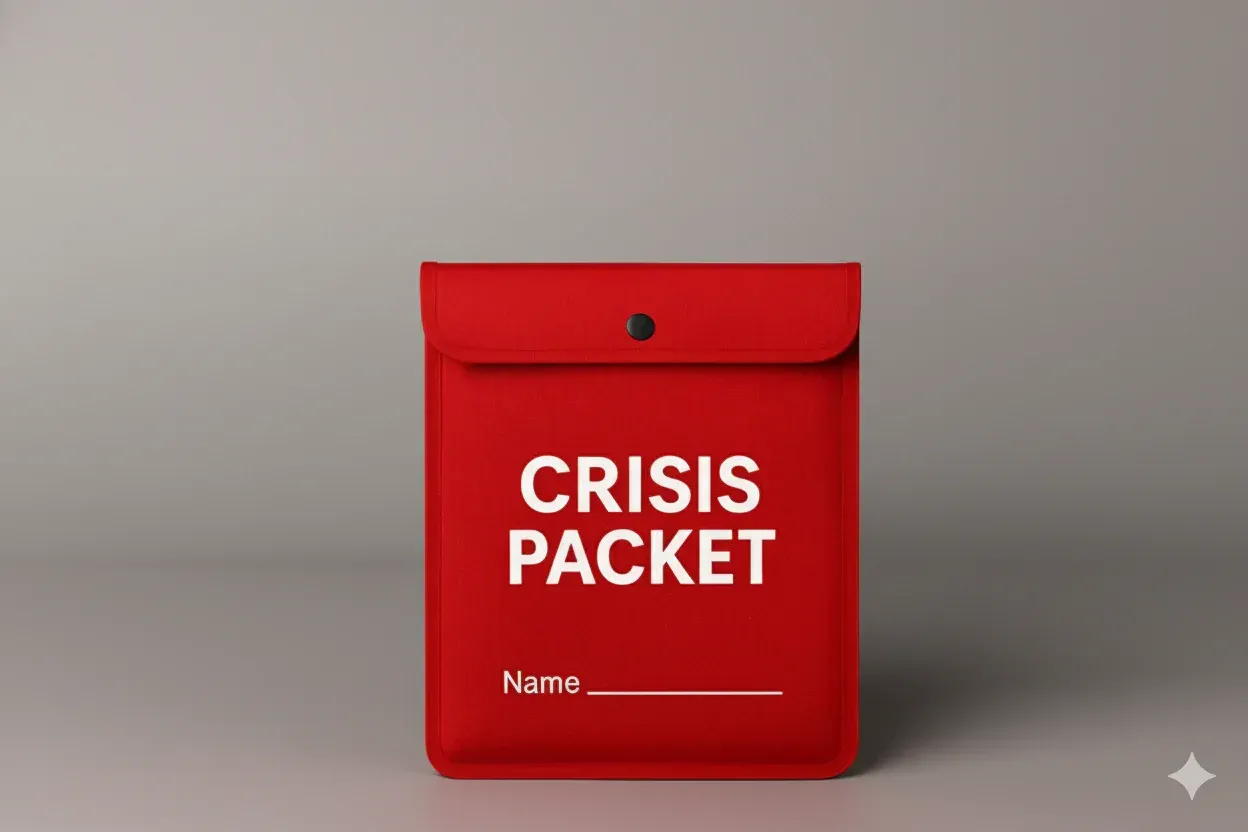
1. Crisis Packet — The Brain
Your critical medical and legal information when you cannot speak for yourself
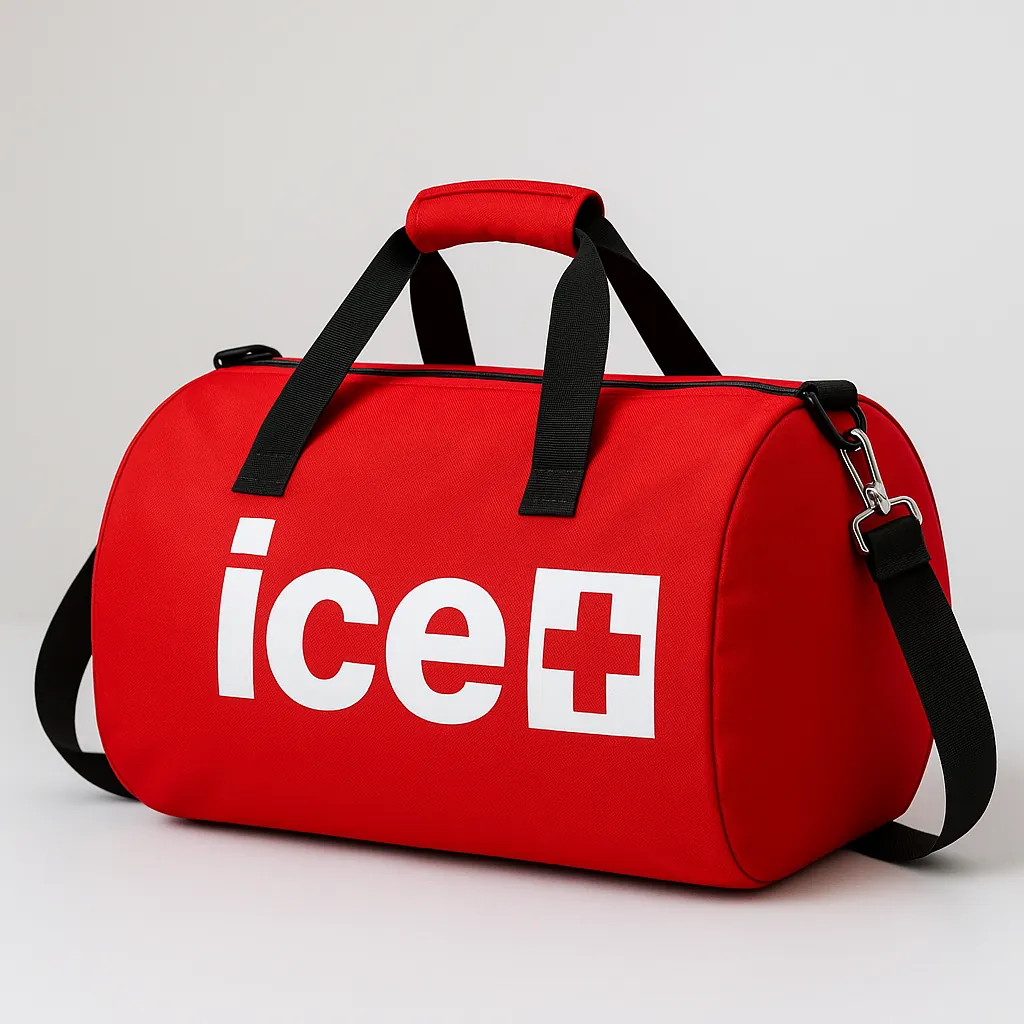
2. ice Go Bag — The Essentials
What you need to get through a sudden hospitalization or evacuation
3. Key Bag — The Access
Keys to your home, vehicle, and important secured items
Together, these create a complete emergency readiness system—not just a binder.
What Every Caregiver Should Have Organized
Medical Information
- Current medication list (dosage and frequency)
- Diagnoses and medical history
- Allergies
- Physician and specialist contacts
- Pharmacy information
- Therapy providers (PT, OT, ST)
- Medical equipment suppliers
Legal Documents
- Durable Power of Attorney
- Healthcare Power of Attorney
- Advance Directive / Living Will
- DNR orders (if applicable)
- Guardianship documents
Insurance & Financial Information
- Medicare / Medicaid
- Supplemental insurance
- Long-term care policy
- Prescription coverage
- Policy numbers and contact numbers
Emergency Contact Plan
- Primary caregiver
- Backup caregiver
- Preferred hospital
- Allergy alerts
- Decision-maker identified
Why This Matters
Hospitals move quickly.
Without documentation:
- Medical decisions may be delayed
- Care instructions may be misunderstood
- Legal authority may be questioned
- Stress increases exponentially
Prepared caregivers respond with clarity — not panic.
What If the Primary Caregiver Becomes Ill?
Caregiving must continue — even if you cannot.
Every Vital Vault should include:
- A person centered care profile
- Medication administration instructions
- Provider contact list
- Location of legal documents
- Access instructions for a trusted person
Preparation protects everyone.
Start Here: Your First Priority
If you do nothing else, start with:
- Your Crisis Packet
- Your ice Go Bag
These two tools ensure that in an emergency:
- Doctors have the information they need
- Your family knows what to do
- You are protected even if you cannot communicate
You don’t have to do everything at once.
Ready for a Complete System?
The checklist is a great first step.
But if you want everything organized, structured, and ready…
The My Vital Vault Emergency System gives you:
- Crisis Packet (your critical information)
- ice Go Bag (your emergency essentials)
- Complete caregiver organization system
Designed to eliminate confusion and give you total peace of mind
What Is a Caregiver Crisis Packet?
A Crisis Packet is a condensed version of your caregiver binder.
It contains only the most critical information needed during an emergency.
It allows you to:
- Hand information quickly to ER staff
- Support a backup caregiver
- Avoid confusion under pressure
What Should Be Included in a Crisis Packet?
Critical Medical Information
- Medication list
- Diagnoses
- Allergies
- Physician contact
- Pharmacy contact
- Person Centered Care Profile
Legal Authority
- Healthcare Power of Attorney
- Advance Directive / Living Will
- DNR orders
- POLST orders
- Funeral arrangements
- Organ donation papers
- Body donation to science instructions
Emergency Contacts
- Primary caregiver
- Backup caregiver
- Preferred hospital
- List of care team partners
- Family and friends
Insurance Information
- Medicare / Medicaid cards
- Supplemental insurance
- Long term care insurance papers
Where Should the Crisis Packet Be Stored?
It must be immediately accessible.
Most caregivers place it:
- Near the front door
- Inside the ice Go Bag
- On a visible surface
At least one backup caregiver should know where it is located.
The Three Layers of Caregiver Emergency Preparedness
Effective emergency planning has three levels:
1. My Vital Vault
Complete caregiver documentation system
2. Crisis Packet
Quick-access emergency documents
3. ice Go Bag
Immediate supplies for rapid response
Together, these tools allow caregivers to respond quickly, clearly, and confidently.
🚨 🚨 Get Your Free Caregiver Emergency Checklist
Don’t wait until a crisis happens.
✔ Know exactly what information you need
✔ Walk into the ER prepared and confident
✔ Protect your loved one—without scrambling
👉 Download the Emergency Preparedness Checklist (Free PDF)
A Final Word
You are not just organizing documents.
You are:
- Protecting your voice
- Reducing future stress for your loved ones
- Preparing for crises before they happen
- Preserving what matters most
My Vital Vault is more than a system.
It is a lifeline, a plan, and a gift to your family.
Put the My Vital Vault pillar into action
Turn this into a written plan with the $12 Action Kit
The fillable Caregiver Balance Guide Action Kit walks you step by step. For this pillar you will:
- work through an emergency readiness check
- note the first documents to gather
- schedule the next steps in a seven-day action plan
12 fillable pages · $12 · includes links to Diane’s free guided imagery recordings.
Get the $12 Action KitFAQ: My Vital Vault
What is My Vital Vault for caregivers?
My Vital Vault is a structured system for organizing essential medical, legal, financial, and emergency information so caregivers are prepared before a crisis occurs.
Why is emergency planning important for family caregivers?
Emergencies require immediate decisions. Organized documentation reduces delays, prevents confusion, and allows caregivers to respond with clarity instead of scrambling for paperwork.
What documents should be included in My Vital Vault?
A complete Vital Vault should include:
• Medication list with dosages
• Diagnoses and medical history
• Physician and specialist contacts
• Insurance information
• Durable and healthcare power of attorney
• Advance directives or living will
• Emergency contact list
• Daily care routines
Prepared documentation protects both caregiver and care recipient.
Should My Vital Vault be physical, digital, or both?
Ideally, both.
A file cabinet allows immediate access during emergencies.
A secure digital copy provides backup access if documents are misplaced.
A Crisis Packet holds the most important information when a crisis occurs.
Redundancy increases protection.
Where should My Vital Vault be stored?
It should be stored in a secure but accessible location in the home.
At least one trusted backup caregiver should know where it is located.
Accessibility during emergencies is critical.
How often should My Vital Vault be updated?
At minimum, once per year.
It should also be updated when:
• Medications change
• Insurance changes
• Providers change
• Legal documents are updated
• Health conditions progress
Outdated information can delay appropriate care.
What happens if the primary caregiver becomes unavailable?
My Vital Vault should include:
• A person centered care profile
• Medication administration instructions
• Contact list for providers
• Backup caregiver contact
• Legal authority documentation
Care must continue even if the primary caregiver cannot provide it.
Does emergency preparation reduce caregiver stress?
Yes.
When information is organized in advance, caregivers experience:
• Greater confidence
• Reduced decision fatigue
• Faster hospital intake
• Fewer preventable mistakes
Preparation protects emotional stability.
Is My Vital Vault only for aging parents?
No.
Emergency organization is important whenever someone depends on another person for medical care, supervision, or decision-making — regardless of age or diagnosis. The system was created for those with chronic conditions, disabilities, and aging seniors.
How does My Vital Vault support long-term caregiving?
Emergency preparedness is one pillar of sustainable caregiving. It supports clearer decision-making, reduces crisis stress, and complements boundary setting and shared responsibility planning.
Helping caregivers care without losing themselves includes preparing for the unexpected.
Because caregiving should not cost you your health.
What is an ice Go Bag for caregivers?
An ice Go Bag (In Case of Emergency Go Bag) is a ready-to-grab bag containing essential medical documents, medications, identification, and daily care items in case of sudden hospitalization or evacuation.
How is an ice Go Bag different from a Vital Vault?
A Vital Vault organizes complete documentation for long-term planning.
An ice Go Bag contains immediate essentials needed during urgent situations.
Both work together to protect the caregiver and care recipient during crisis.
How often should an ice Go Bag be updated?
At least every six months — or whenever medications, medical needs, or contact information change.
Why Emergency Preparation Protects Caregivers
Emergency preparation allows caregivers to respond calmly and accurately during medical crises. Organized documentation improves communication with healthcare providers, speeds hospital intake, and reduces stress during already difficult moments.
Explore the Caregiver Balance Guide Framework:
 Diane Carbo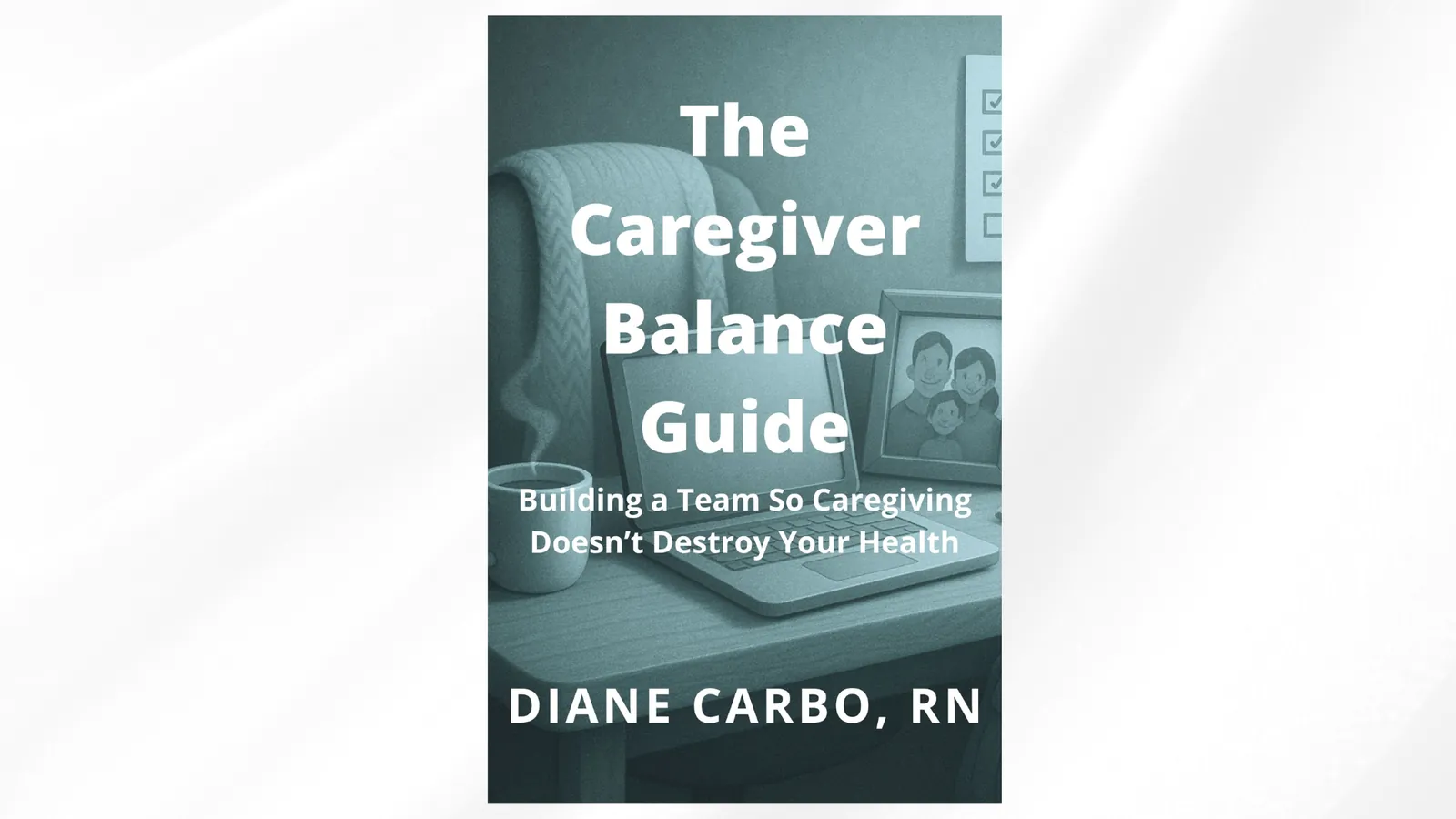
• Caregiver Boundaries & Support Plan
• Family Caregiver Agreement
• Caregiver Relief Team
• Caregiver Balance Guide Overview
Ready to make your plan?
The fillable $12 Action Kit brings all four pillars together.
Get the $12 Action Kit